
Last Updated: August 5, 2026
Peptide potency refers to the biological activity and effectiveness of a peptide molecule to produce its intended therapeutic or research effect. Understanding what determines peptide potency is essential for researchers, fitness professionals, and anyone working with these compounds. At Canada BioGenix, we emphasize that potency isn’t simply about purity, it’s about maintaining structural integrity and biological activity from synthesis through storage and use.
Multiple interconnected factors influence whether a peptide maintains its potency over time: amino acid sequence, molecular structure, storage conditions, and environmental stressors. A peptide that’s 99% pure at manufacturing can lose significant potency within weeks if stored improperly. Peptide potency degradation happens silently, a vial looks identical whether stored at room temperature or properly frozen, which is why understanding the underlying mechanisms is critical.
The amino acid sequence is the foundation of peptide potency. Each amino acid contributes specific properties: charge, hydrophobicity, flexibility, and susceptibility to enzymatic cleavage. Altering even a single amino acid can shift biological activity dramatically or eliminate it entirely.
Molecular weight affects how a peptide behaves in solution and in vivo. Smaller peptides (under 10 amino acids) tend to be more stable but often have lower bioavailability. Larger peptides (15+ amino acids) can have higher potency but face greater challenges with cell permeability and metabolic stability.
Charge distribution across the peptide chain determines solubility and interaction with cellular membranes. Hydrophobicity patterns create another layer of complexity: highly hydrophobic peptides are prone to self-assembly and aggregation, which destroys potency, while highly hydrophilic peptides may struggle with cell permeability.
Temperature is one of the most aggressive stressors peptides face. Heat accelerates molecular motion, increasing the likelihood of peptide-peptide interactions, hydrolysis, and oxidation. Even modest temperature increases, from 4°C to 25°C, can accelerate degradation by two to threefold.
Freezing slows these processes dramatically by reducing molecular motion. At -20°C, most peptides degrade very slowly. At -80°C or in liquid nitrogen, degradation becomes negligible over years. Freeze-thaw cycles are particularly damaging, each cycle can reduce potency by 50% or more. Best practice involves dividing peptides into single-use aliquots before freezing; once thawed, use immediately without refreezing.
Temperature fluctuations are as problematic as sustained heat. A peptide stored at -20°C that experiences daily temperature swings will degrade faster than one stored at a stable -80°C. Consistency matters more than achieving the absolute coldest temperature.
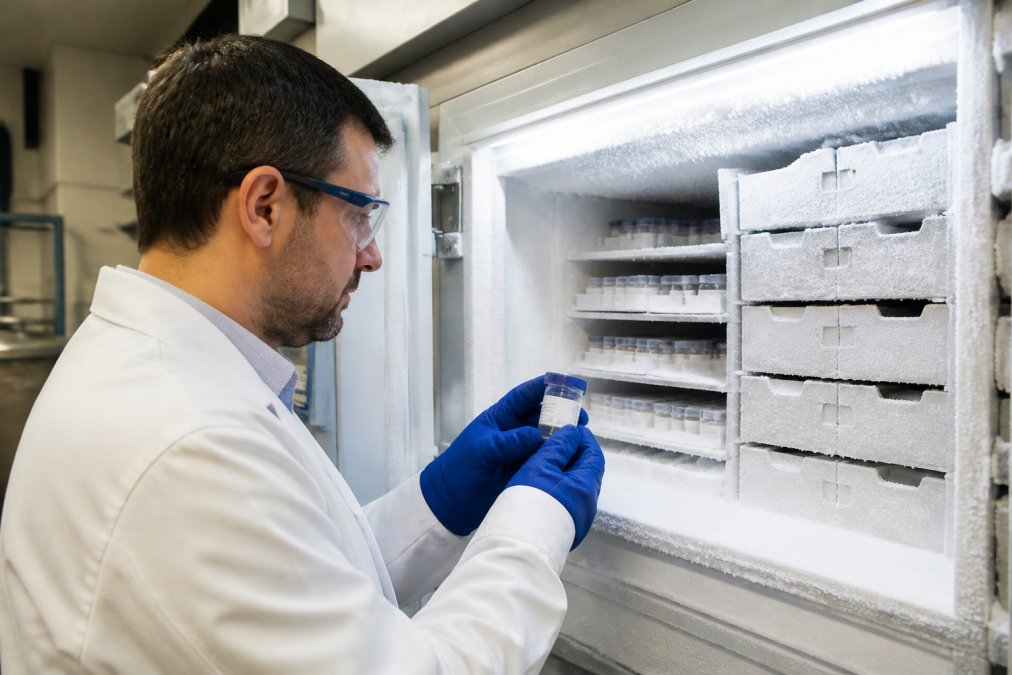
Room temperature storage is only viable for days, not weeks. Within 48-72 hours at 20-25°C, most peptides show measurable potency loss. For fitness or injury recovery applications, reconstituted solutions should be stored in the refrigerator (2-8°C) and used within 7-14 days maximum.
Proper storage is where theory meets practice. The steps below represent the most effective approach to maintaining peptide potency in real-world conditions.
Step 1: Choose the Right Initial Storage Temperature
Lyophilized (freeze-dried) peptides should be stored at -20°C minimum, preferably -80°C if available. Reconstituted peptide solutions require even colder storage at -80°C or in liquid nitrogen. If -80°C is unavailable, store at -20°C but plan to use the solution within 2-4 weeks.
Step 2: Use Appropriate Reconstitution Solvents
Bacteriostatic water (containing benzyl alcohol) is superior to standard sterile water for extended storage because the benzyl alcohol inhibits microbial growth and provides antioxidant protection. Never use tap water or non-sterile solvents, as contaminants introduce bacteria and enzymes that accelerate degradation.
Step 3: Minimize Exposure to Air and Light
Oxygen promotes oxidation, which damages peptides. Store vials in sealed containers and minimize air exposure when dividing batches. Store peptides in amber or opaque vials, not clear glass, to prevent UV light degradation.
Step 4: Maintain Consistent Temperature
Invest in a reliable freezer with temperature monitoring if storing peptides long-term. A simple temperature logger costs under $50 and provides peace of mind that your freezer maintains stable conditions.
Step 5: Document Everything
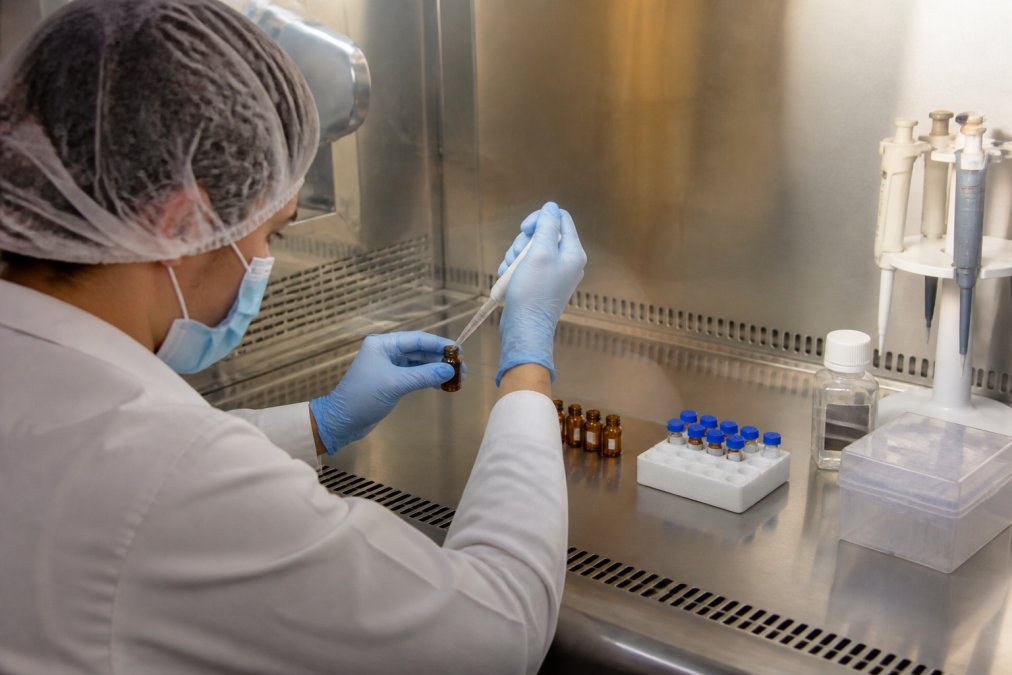
Record the storage date, reconstitution date, solvent used, and storage temperature for each batch. This creates a reference point to trace potency loss correlations with storage conditions or handling practices.
Understanding how to verify peptide potency is critical for consistent results. Several testing approaches exist, each with different costs, timelines, and accuracy levels.
High-Performance Liquid Chromatography (HPLC)
HPLC is the gold standard for peptide characterization. It separates peptide components based on their chemical properties and quantifies intact peptide versus degradation products. A single HPLC analysis typically costs $200-500 and takes 2-5 business days. While expensive, it’s the only method that provides definitive potency verification.
Mass Spectrometry (MS)
Mass spectrometry measures exact molecular weight and is particularly useful for detecting aggregation. Combined with HPLC (HPLC-MS), it provides comprehensive characterization at a cost of $300-600 per sample.
UV Absorbance Spectroscopy
This simpler method measures light absorption at specific wavelengths. It’s faster and cheaper ($50-150 per analysis) but less precise than HPLC. It works well for routine quality checks but doesn’t identify specific degradation products.
Bioassays
For peptides with known biological effects, a bioassay directly measures the peptide’s ability to produce that effect. Bioassays cost $500-2000 per test and take 1-2 weeks, but they measure what actually matters: does the peptide work?
Certificate of Analysis (CoA)
A CoA from the manufacturer documents purity and potency at synthesis. Always request batch-specific CoAs, not generic documents. Batch-specific data gives you the exact starting point for that particular vial.
Peptides degrade through several distinct chemical pathways. Understanding which pathways threaten your specific peptide allows targeted prevention.
Hydrolysis
Water molecules break peptide bonds, shortening the chain and destroying potency. Prevention involves storing peptides in sealed, dry conditions and avoiding moisture exposure.
Oxidation
Oxygen reacts with amino acids (particularly methionine, tryptophan, and cysteine), altering their structure. Oxidized peptides lose potency and often aggregate. Bacteriostatic water provides mild antioxidant protection through its benzyl alcohol content. Minimize oxygen exposure when reconstituting.
Aggregation and Self-Assembly
Peptides naturally tend to stick together, forming inactive clumps. This happens faster at higher temperatures and in high-concentration solutions. Prevention involves storing at low concentrations, maintaining cold temperatures, and using solvents that minimize peptide-peptide interactions.
Enzymatic Degradation
Even trace amounts of enzymes can break down peptides. Prevention involves using sterile technique, proper storage temperature, and occasionally adding protease inhibitors.
For Lyophilized Peptides Before Reconstitution
Store in a freezer (minimum -20°C, preferably -80°C). Keep the vial sealed until ready to reconstitute. Let it come to room temperature while still sealed to prevent condensation from entering the vial.
For Reconstituted Solutions
Use bacteriostatic water as your solvent. Store at -80°C if possible, or -20°C otherwise. Divide the batch into single-use aliquots before freezing. Store aliquots in amber vials and label with reconstitution date and storage temperature. Never refreeze a thawed aliquot.
For Fitness and Injury Recovery Applications
If using reconstituted peptides for subcutaneous injection, prepare injections fresh whenever possible. A reconstituted solution stored in the refrigerator (2-8°C) remains viable for 7-14 days. Many practitioners prepare weekly batches: reconstitute on Monday and use throughout the week.
Shipping and Transit Considerations
Use insulated shipping with ice packs or dry ice. In summer months, overnight shipping is essential. When receiving a shipment, inspect packaging immediately. If ice packs have melted completely or the vial feels warm, the peptide may have been compromised. Contact the supplier immediately.
Testing Schedule for Long-Term Storage
If storing peptides for months, test potency every 3-4 months using UV spectroscopy or HPLC. This creates a degradation curve for your specific storage conditions and lets you plan usage accordingly.
Peptide potency isn’t determined by a single factor, it’s the result of hundreds of decisions, from amino acid selection during synthesis through storage temperature and reconstitution solvent choice. Most degradation is preventable. Understanding these factors and executing consistently is what separates researchers and athletes who get reliable results from those who experience inconsistent outcomes.
When sourcing peptides, prioritize suppliers who provide detailed batch-specific Certificates of Analysis and understand stability challenges. Canada BioGenix maintains strict quality and purity standards through carefully selected manufacturing partners, ensuring maximum potency from day one. From there, proper storage and handling determine whether that potency is maintained.
| Factor | Impact on Potency | Prevention Method |
|---|---|---|
| Temperature fluctuations | High | Stable -20°C or -80°C storage |
| Freeze-thaw cycles | High | Single-use aliquots |
| Oxidation | Medium | Bacteriostatic water, minimal air exposure |
| Hydrolysis | Medium | Sealed, dry storage |
| Aggregation | Medium to High | Cold storage, appropriate solvent |
| Enzymatic degradation | Low to Medium | Sterile technique, cold storage |
Yes, peptides gradually lose potency through chemical degradation, aggregation, and oxidation. The rate depends on storage conditions, molecular structure, and formulation. Proper storage at -20°C or lower, with minimal moisture and light exposure, significantly slows degradation. Most peptides maintain acceptable potency for 12-36 months under ideal conditions, though this varies by specific peptide and excipient composition.
Temperature fluctuations, moisture, light exposure, and improper pH are primary culprits. Thermal stress accelerates chemical reactions that break peptide bonds. Moisture promotes hydrolysis and microbial contamination. UV and visible light trigger oxidation of sensitive amino acids. pH shifts outside the peptide's stable range alter its charge distribution and structure. Reconstitution solvents also affect stability, using appropriate buffers and sterile water preserves potency longer than improper solvents.
pH directly influences peptide charge distribution and conformational stability. Each peptide has an optimal pH range where it remains structurally intact and biologically active. Outside this range, peptides can aggregate, hydrolyze, or undergo conformational changes that reduce efficacy. Solution pH also affects excipient performance and microbial growth risk. Maintaining the correct pH through buffering systems is critical for long-term potency, especially in liquid formulations.
Aggregation occurs when peptides self-assemble or clump together, reducing their bioavailability and biological activity. This happens through hydrophobic interactions, disulfide bonding, or hydrogen bonding between molecules. Aggregated peptides cannot interact effectively with target cells or receptors, even if the individual molecules remain chemically intact. Aggregation is accelerated by temperature stress, improper pH, and mechanical agitation. Quality control testing detects aggregation early, helping maintain therapeutic efficacy.
The difference between a peptide that maintains 90% potency after three months and one that drops to 70% often comes down to details most guides overlook: solvent choice, aliquoting strategy, and consistency in temperature management. Start with peptides from a supplier committed to quality, then protect that investment through disciplined storage and handling. That combination delivers the reliable results your research or fitness goals demand.
This article was written using GrandRanker