
Last Updated: August 22, 2026
Temperature fluctuations, extended delivery windows, and inadequate packaging compromise peptide integrity before research begins. Fast shipping peptides for research have become essential because peptides are fragile compounds, degradation accelerates the moment a vial leaves the supplier’s facility unless proper cold-chain logistics protect it. A peptide arriving within 24-48 hours maintains structural integrity that a 5-day shipment cannot guarantee.
The difference between fast shipping and standard delivery often determines whether your batch meets research-grade purity standards. Many suppliers claim high purity at dispatch, but transit damage erodes that claim before arrival. This guide covers what separates suppliers that prioritize speed without sacrificing quality from those that cut corners.
Research-grade peptides meet standards that go far beyond basic purity claims. A truly research-grade peptide comes with verifiable proof of its composition and purity at the time of shipment.
Fast shipping peptides for research require three foundational elements: high-purity synthesis, rigorous batch testing, and cold-chain logistics that preserve that purity during transit.
Research-grade peptides typically meet or exceed 99% purity benchmarks, verified through laboratory analysis before dispatch (peer-reviewed research). Each batch undergoes testing to confirm amino acid sequence accuracy, molecular weight consistency, and absence of contaminants that would compromise research validity.
Batch testing involves multiple analytical methods. HPLC (high-performance liquid chromatography) separates peptide components and measures purity by percentage. Mass spectrometry confirms molecular weight and structure. Together, these methods create a comprehensive quality profile that researchers can trust.
Suppliers that commit to rigorous testing before dispatch build speed into their workflow from the start. Testing happens immediately upon synthesis completion, allowing same-day or next-day dispatch without compromising verification. Canada BioGenix partners with manufacturing facilities that maintain this standard, with each batch receiving full analytical verification before entering the cold-chain shipping process.
A Certificate of Analysis (CoA) is the researcher’s proof of purity and composition. It documents testing methods, results obtained, and batch-specific details that allow you to trace quality back to synthesis. Without a CoA, purity claims are unverifiable.
Legitimate suppliers provide batch-specific CoAs, not generic certificates. A batch-specific CoA includes lot numbers, testing dates, analytical methods, and results tied to your exact purchase. Third-party verification adds credibility, when an independent laboratory confirms purity rather than the supplier’s internal lab, the results carry more weight.
Researchers should verify CoA authenticity before relying on it. Check that the certificate includes specific lot numbers matching your order, testing dates within days of purchase, and analytical methods appropriate for peptide analysis.
The peptide market includes claims that don’t hold up under scrutiny. Fast shipping peptides for research that carry third-party verification stand apart from unverified claims.
Third-party lab testing removes the conflict of interest inherent when suppliers test their own products. An independent laboratory has no financial incentive to inflate purity claims. Reputable third-party labs use standardized methods and maintain accreditation that ensures consistent, reliable results.
The verification process should be transparent. You should be able to access your batch’s third-party test results, not just hear that testing occurred. Some suppliers provide verification keys or direct access to test reports, allowing you to confirm purity claims independently.
Canada BioGenix maintains partnerships with third-party laboratories that verify batch quality before dispatch. Researchers receive CoAs backed by third-party analysis, not internal claims alone.
Shipping speed means nothing if peptides arrive degraded. Domestic peptide shipping times matter only when paired with cold-chain logistics that preserve stability throughout transit. The best suppliers offer same-day or next-day dispatch combined with insulated packaging, ice packs, and tracking systems that monitor temperature during delivery.
Same-day dispatch requires that testing, quality verification, and order processing complete before the shipping window closes. Cold-chain logistics involve insulated containers designed to maintain specific temperature ranges (typically 2-8°C for most research peptides). Temperature monitoring devices record conditions throughout transit, providing data that confirms peptides remained stable.
Transit time varies by geographic location. Urban centers typically receive shipments within 24-48 hours of dispatch, while remote regions may require 3-5 business days. Reputable suppliers provide accurate delivery estimates based on postal code and offer tracking that updates as the shipment moves.
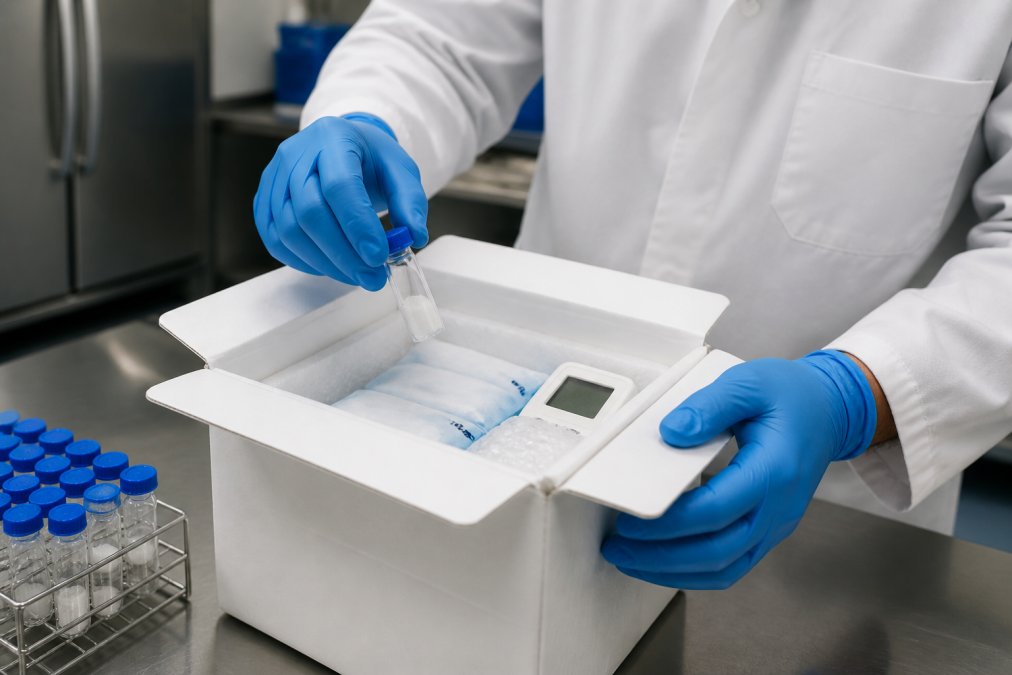
Cold-chain shipping costs more than standard mail, but it’s non-negotiable for research-grade peptides. Canada BioGenix provides free shipping on orders exceeding $250, which helps offset cold-chain expense for larger purchases.
Once your fast shipping peptides for research arrive, how you handle them determines whether quality is maintained. Reconstitution, the process of preparing lyophilized (freeze-dried) peptides for use, requires specific techniques that preserve stability and prevent contamination.
Lyophilized peptides arrive as powder in sealed vials. This dry state provides excellent stability during storage and transit. Reconstitution introduces the peptide to solution, which activates the compound but also begins degradation processes. Proper reconstitution technique minimizes degradation and extends usable shelf life.
Select the correct reconstitution medium. Bacteriostatic water is the standard for most research peptides, as it inhibits bacterial growth without introducing contaminants (peer-reviewed research). Some peptides require specific pH buffers or saline solutions, always consult the CoA or supplier documentation for your specific peptide’s requirements.
Sterile technique during reconstitution prevents contamination that would invalidate research results. Use sterile syringes, needles, and vials. Work in a clean environment, ideally a biosafety cabinet if available. Avoid touching the needle tip or the vial’s interior surfaces.
Reconstituted peptides require proper storage to maintain stability. Most solutions stay viable for 2-4 weeks when refrigerated at 2-8°C in sealed vials. Some peptides tolerate freezing at -20°C, which extends shelf life to several months. The CoA should specify storage conditions for your reconstituted solution.
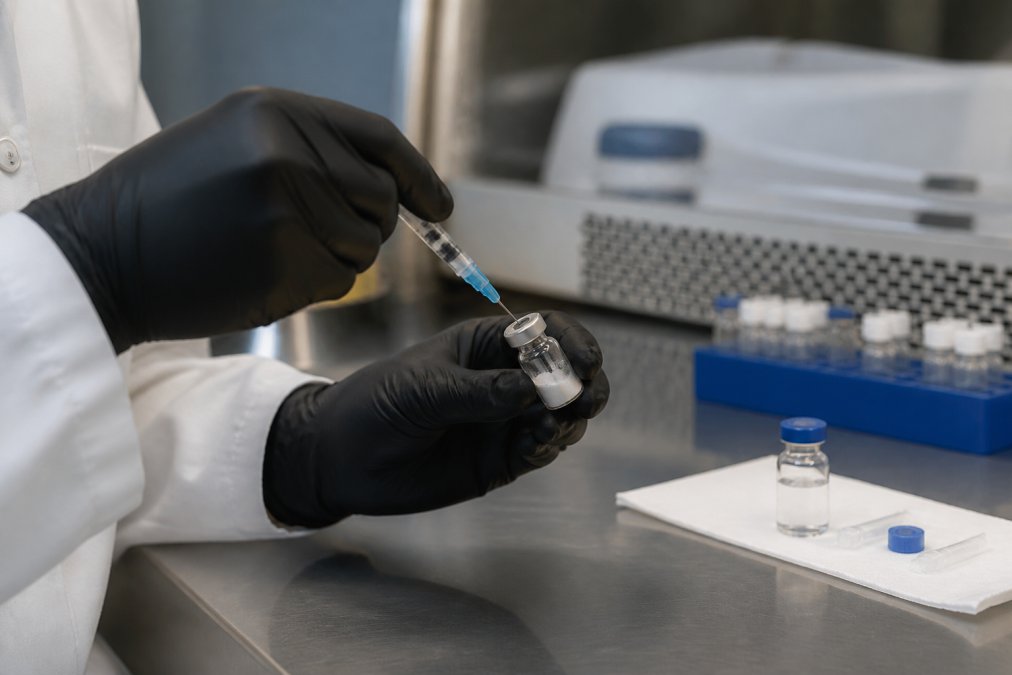
Temperature fluctuations accelerate degradation. Once reconstituted, keep peptides in consistent cold storage. Some researchers prepare multiple aliquots in small vials, using one at a time and keeping the remainder frozen. This approach minimizes exposure to temperature changes and extends overall usable life.
Record the reconstitution date, the medium used, storage temperature, and any observations about the solution’s appearance. This documentation helps identify whether issues stem from the original peptide, reconstitution technique, or storage practices, and supports reproducibility.
The peptide market includes suppliers ranging from highly professional operations to questionable outlets. Distinguishing between them requires evaluating several factors beyond shipping speed alone.
Start by examining CoA practices. Legitimate suppliers provide batch-specific Certificates of Analysis that include lot numbers, testing dates, analytical methods, and results. They make CoAs easily accessible, either included with shipment or through an online portal.
Verify third-party testing claims. Ask which independent laboratory conducts testing and request access to actual test results. Professional suppliers have clear answers to these questions and can describe their process in detail.
Evaluate shipping practices directly. Contact the supplier and ask about dispatch timeline, cold-chain procedures, and temperature monitoring during transit. Professional suppliers have clear answers; vague responses suggest inadequate infrastructure.
Research customer feedback for patterns rather than individual reviews. Consistent mentions of degraded peptides, slow shipping, or poor customer service indicate systemic problems. Conversely, repeated praise for quality and reliability suggests a supplier that prioritizes standards.
Compare pricing, but don’t let it be the primary factor. Extremely low prices often correlate with lower quality or inadequate testing. Fast shipping peptides for research cost more because verification and cold-chain logistics are expensive.
Canada BioGenix represents a professional approach to peptide supply. The brand emphasizes transparency, consistency, and dependable service for Canadian researchers. Carefully selected manufacturing partners ensure that every product meets strict quality and purity standards. Free shipping on orders over $250 maintains cold-chain standards while providing cost relief.
| Factor | What to Look For | Red Flags |
|---|---|---|
| CoA Availability | Batch-specific certificates with lot numbers and testing dates | Generic certificates or difficult access |
| Third-Party Testing | Named independent lab with verifiable results | Vague claims without lab identification |
| Shipping Speed | Same-day or next-day dispatch with tracking | Vague delivery estimates or slow transit |
| Cold-Chain Logistics | Insulated packaging, ice packs, temperature monitoring | Standard mail or no temperature control |
| Customer Support | Responsive communication and problem resolution | Difficulty reaching supplier or poor responses |
| Pricing Transparency | Clear pricing with shipping costs disclosed | Hidden fees or unusually low prices |
Choosing a fast shipping peptide supplier requires balancing speed with quality verification. The most reliable suppliers understand that these factors are complementary, not in tension. Rigorous testing enables confident same-day dispatch. Cold-chain logistics preserve the quality that testing verified. When you purchase fast shipping peptides for research from a supplier that prioritizes both velocity and verification, you’re investing in research outcomes.
Canada BioGenix combines these elements through dependable service tailored to Canadian researchers. Access to high-quality research compounds, consistency in product standards, and transparent partnerships with verified manufacturing facilities mean your peptides arrive ready for immediate use.
Request a Certificate of Analysis (CoA) from the supplier before purchase. Legitimate third-party lab tested peptides come with independent verification from accredited labs using HPLC and mass spectrometry. Look for suppliers who provide batch-specific testing results, not just general claims. Verify the testing lab’s credentials and check whether the CoA includes molecular weight confirmation and sequence verification. Canada BioGenix ensures every batch meets strict purity standards through carefully selected manufacturing partners.
Most domestic peptide shipping times range from 1-3 business days depending on your location. Fast delivery is critical because peptides degrade over time, especially if exposed to temperature fluctuations. Cold-chain logistics, insulated packaging with ice packs or gel packs, maintain structural integrity during transit. Same-day or next-day dispatch options minimize storage time before shipment. Lyophilized (freeze-dried) peptides are more stable than liquid formulations during transit. Choose suppliers who prioritize cold-chain handling to ensure your research-grade compounds arrive intact.
Consistency and transparency matter in research. Switching to a supplier with rigorous batch testing, independent third-party lab verification, and faster shipping can improve your research outcomes. Higher purity directly affects result reliability, peptides at 99%+ purity deliver more reproducible data than lower-grade alternatives. Additionally, suppliers offering free shipping on orders over $250 and clear CoA access reduce your total cost and verification burden. If your current supplier lacks transparent testing documentation or slower shipping times, the upgrade justifies the switch.
Reconstitution is the process of dissolving lyophilized peptides in bacteriostatic water or saline before use. Best practices include using sterile, pyrogen-free water; maintaining cold temperatures during mixing; and storing reconstituted solutions at 2-8°C to prevent degradation. Improper reconstitution can reduce peptide potency, so handle reconstituted peptides carefully and use them within the manufacturer’s recommended timeframe. Proper reconstitution immediately after fast shipping arrival ensures maximum stability and research accuracy. Always follow the supplier’s specific reconstitution guidelines, which should be included with your CoA.
This article was written using GrandRanker