MOTS-c Mechanism of Action: AMPK and Metabolic Effects

Explore the MOTS-c mechanism of action, from AMPK activation to metabolic homeostasis, and learn what research says about stability and purity. Learn more.

Explore the MOTS-c mechanism of action, from AMPK activation to metabolic homeostasis, and learn what research says about stability and purity. Learn more.

Explore the GHK-Cu copper peptide mechanism: collagen synthesis, tissue remodeling, and wound healing. Learn how this peptide signals repair.

TB-500 BPC-157: Compare TB-500 and BPC-157 protocols for research. Explore mechanisms, dosages, and quality standards in this detailed guide. Find.

Explore the Retatrutide mechanism of action as a triple agonist. Learn how GLP-1, GIP, and glucagon pathways work together in this research guide.
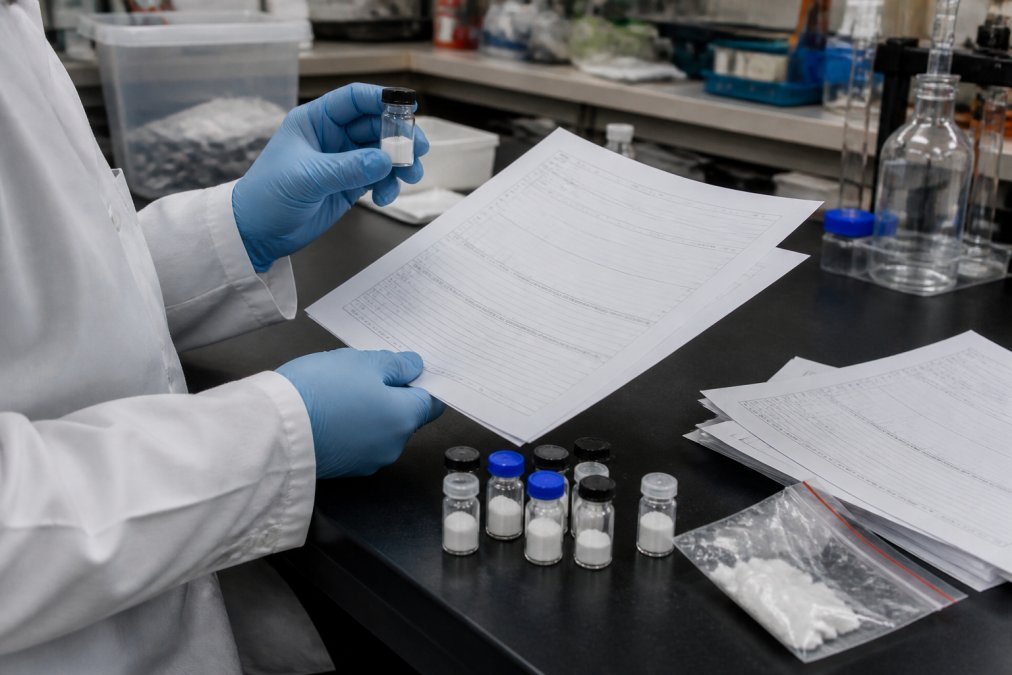
Learn to spot fake peptide lab reports for research. Verify COAs, HPLC data, and third-party testing with this practical fraud detection guide.
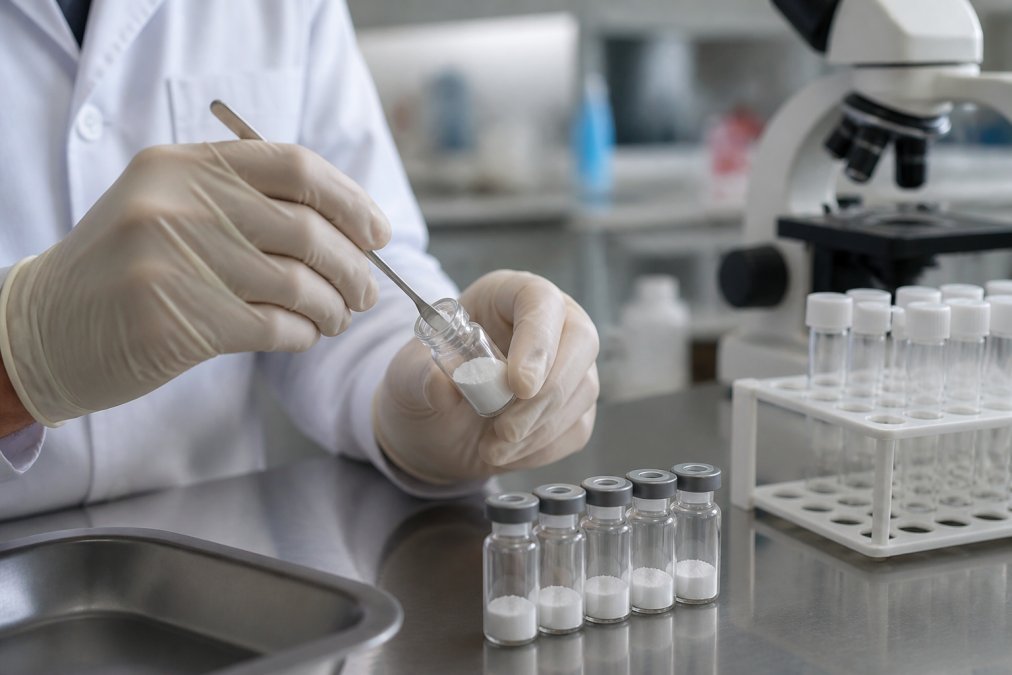
Third party peptide testing services explained: learn purity testing methods, how to read a peptide COA, and verify research peptide quality.
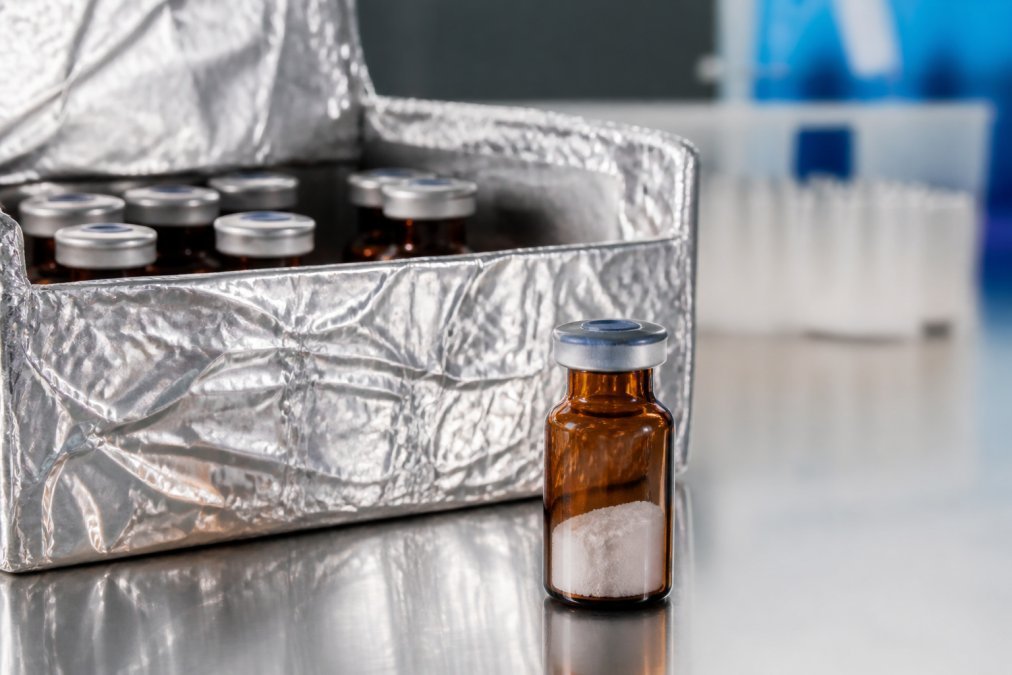
Protect peptides from light exposure with proper storage methods. Learn temperature guidelines, vial selection, and degradation signs to maintain.

How long does professional peptide testing take: Professional peptide testing typically takes 5-14 days. Learn what affects turnaround time, sample.
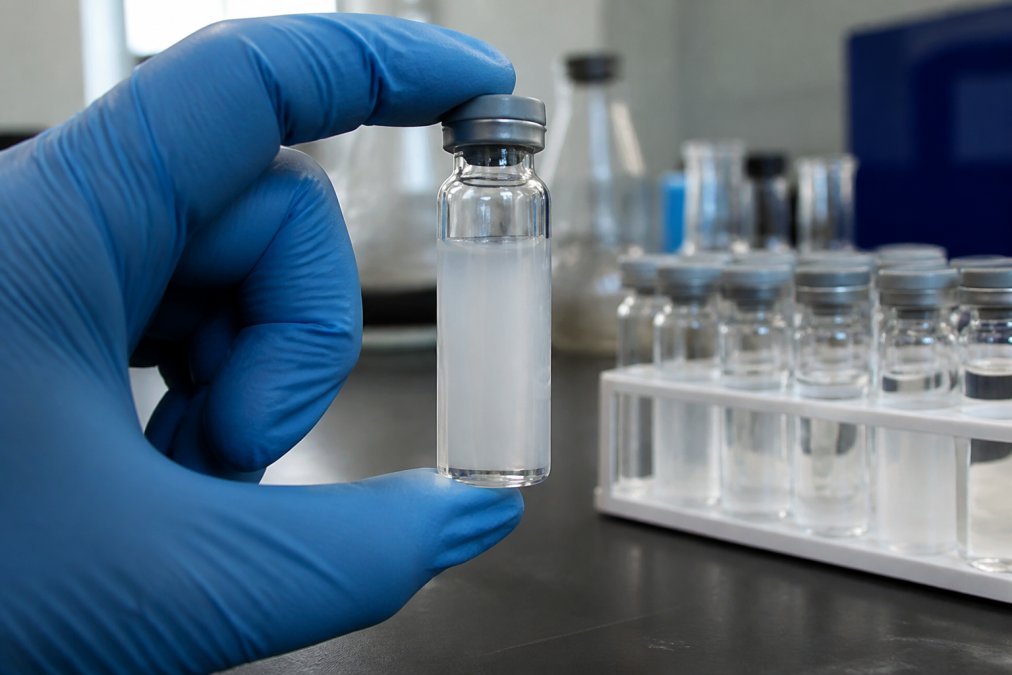
Peptide solution cloudy? Learn what causes cloudiness, whether it’s safe to use, and how to prevent it. Step-by-step troubleshooting guide inside.
Evaluate whether lyophilized peptide stability justifies the cost. Compare storage methods, shelf life, and long-term savings for research projects.