
Last Updated: August 18, 2026
High purity peptides form the foundation of reliable research outcomes. Contamination or degradation can invalidate months of work. The difference between 95% and 99% purity directly affects reproducibility, dosing accuracy, and result validity. A contaminated peptide can trigger unexpected biological responses, making it impossible to isolate which compound caused your observed effects.
At Canada BioGenix, we’ve built our reputation on understanding this tension. Researchers need peptides they can trust, which is why we’ve invested in carefully selected manufacturing partners and transparent testing protocols. Every batch includes documentation proving what you’re actually receiving.
The challenge most researchers face is finding peptides that actually meet their claimed specifications. Third-party lab testing has become the industry standard, yet many suppliers rely on in-house testing alone. Understanding how to read a Certificate of Analysis and what verification methods matter will help you make informed decisions about which supplier to trust.
Below, we’ll walk you through what separates premium products from commodity alternatives, and show you exactly how to verify quality claims.
| Supplier | Key Strength | Verification Method | Best For |
|---|---|---|---|
| Canada BioGenix | Transparent sourcing and Canadian focus | Carefully selected manufacturing partners | Researchers prioritizing reliability and local support |
| Reviv Peptides | 99%+ purity guarantee | HPLC and mass spectrometry | Teams requiring pharmaceutical-grade verification |
| Peptide Warehouse | Canadian manufacturing | In-house quality control with fast shipping | Domestic researchers needing quick turnaround |
| PeptidePro | Maximum transparency | Dual-lab independent verification | Researchers demanding detailed batch documentation |
| Nutrigenix Scientific | Affordable pricing | Third-party COA on every batch | Budget-conscious teams without compromising testing |
Canada BioGenix has built its operation around a single principle: researchers deserve to know exactly what they’re purchasing. This shapes every decision from manufacturing partner selection to documentation standards.
The approach centers on carefully selecting manufacturing partners rather than cutting costs through commodity suppliers. This means higher prices, but also consistency that compounds over time. When you order the same peptide six months apart, you get the same purity profile and biological activity.
Reproducibility across batches is often more valuable than squeezing an extra 1% purity from a single order. If your protocols depend on consistent peptide behavior, batch-to-batch variation will create noise in your data. Canada BioGenix’s focus on consistency addresses this directly.
The company offers free shipping on orders over $250 and accepts credit card payment, making procurement straightforward for academic and private research teams. For Canadian researchers, having a supplier that understands local logistics removes friction from the ordering process.
Specific purity percentages and detailed technical specs aren’t always visible on the main product page. Contact the team directly for batch-specific documentation, which is actually a good sign, they’re not making generic claims about purity that don’t apply to your specific order.
Reviv Peptides competes on a powerful differentiator: every batch ships at 99% purity or higher, verified by HPLC and mass spectrometry. This is backed by Certificate of Analysis included with every order.
Cold-chain shipping matters significantly. Peptides are fragile molecules. Temperature fluctuations during transit can trigger hydrolysis, oxidation, and cross-linking, degrading purity without visible changes. Reviv’s commitment to cold-chain logistics ensures your peptides arrive in optimal condition.
Synthesized in GMP-certified facilities, Reviv’s supply chain meets pharmaceutical-grade standards. GMP certification requires documented processes, regular audits, and traceability at every step. If your research might eventually move toward regulatory submissions, starting with GMP-certified material establishes a clean chain of custody from day one.
Peptide Warehouse operates its own manufacturing and vial production facility in Mississauga, creating a direct quality control advantage. When a supplier manufactures in-house, there’s no middleman between the synthesis lab and your order, quality issues surface immediately.
This eliminates variables introduced by outsourced manufacturing: temperature during shipping, humidity in storage, and time between synthesis and packaging all affect final purity. Peptide Warehouse’s integrated model removes these friction points.
The company specializes in popular research peptides like BPC-157, TB-500, and GHK-Cu. This specialization means they’ve optimized their processes for these specific molecules rather than spreading resources across hundreds of peptides, resulting in better consistency and faster order processing.
Fast shipping from their Mississauga facility is a genuine advantage for Canadian researchers. Standard couriers deliver across most of Canada within 2-3 business days. Peptide Warehouse’s emphasis on purity and dosing accuracy means you’re getting consistent delivery of reliable product.
Specific details about third-party testing and COA availability aren’t prominently featured on their homepage. Request batch-specific documentation before your first order to confirm their testing standards align with your requirements.
PeptidePro takes transparency to an extreme. Every batch undergoes independent verification through two separate laboratories: Janoshik and Kovera Labs. This dual-lab model eliminates the possibility of a single lab’s error or bias skewing your results.
The verification protocol includes mass testing, purity assay, heavy metals screening, endotoxin testing, and sterility verification. Most suppliers stop at purity; PeptidePro’s extended testing catches contamination vectors that would otherwise go undetected.
Batch-specific COAs come with direct QR code access to lab reports. You can verify testing immediately, share reports with collaborators, and maintain a digital audit trail. For researchers working under compliance requirements or preparing for publication, this documentation is invaluable.
The vial identification system, changing cap and crimp colors with each production batch, prevents cross-contamination and mixing errors that could compromise your entire study.
Pricing for specific peptides isn’t immediately visible on their site. You’ll need to contact them for quotes, which is standard for suppliers offering this level of customization.
Nutrigenix Scientific proves that affordable doesn’t mean compromised. Every batch includes independent third-party COA, the core verification mechanism that matters most. You’re paying for the peptide and the testing, not marketing or premium packaging.
Lyophilized in Canada and processed with controlled storage, Nutrigenix maintains quality standards without premium pricing. Same-day or 1-2 business day order processing means you’re not waiting weeks for synthesis, which matters for researchers on tight timelines.
The company’s focus on affordability allows teams running multiple experiments to allocate budget across more compounds rather than fewer, higher-cost orders. Discreet packaging and controlled storage conditions mean your peptides arrive in optimal condition.
Before ordering, confirm which labs conduct their verification testing. This information should be readily available and transparent.
Third-party lab testing transforms a peptide supplier’s claim into verifiable fact. When an independent laboratory tests your batch, they’re answering to scientific standards and their own reputation, not the supplier. This independence makes the testing credible.
The most common verification methods are HPLC (High-Performance Liquid Chromatography) and mass spectrometry. HPLC separates peptide molecules by chemical properties, allowing technicians to quantify purity by measuring the proportion of your target compound versus impurities. Mass spectrometry confirms molecular weight and detects structural variants or degradation products.
A Certificate of Analysis documents these results, including batch number, test date, purity percentage, molecular weight, and lab certification. When you see "99% purity (HPLC)" on a COA, an independent lab measured the batch and found your target peptide at that concentration. Vague claims like "high purity" are marketing language, not science.

COA interpretation varies across labs. Some report purity as the percentage of target peptide; others report it as the percentage of all peptides. Before comparing COAs from different suppliers, confirm they’re using the same measurement standard. A legitimate supplier will explain their testing methodology without hesitation.
According to Health Canada’s guidelines, independent verification of analytical testing is a foundational requirement for research-grade materials. This is regulatory expectation for compounds intended for research use.
Heavy metals testing and endotoxin screening go beyond basic purity. Heavy metals can accumulate in your research system and skew results. Endotoxins are bacterial fragments that trigger immune responses even at trace concentrations. Testing for these contaminants separates premium research-grade peptides from commodity alternatives.
Reconstitution is where many researchers inadvertently compromise their peptides. A lyophilized peptide is stable for months or years when stored properly. Once you reconstitute it, dissolving the powder in solution, oxidation, hydrolysis, and bacterial growth begin immediately.
The solvent matters. Sterile, bacteriostatic water is standard, but some peptides require specific pH buffers or carrier solutions to remain stable. A peptide that’s 99% pure in powder form can degrade to 85% purity within weeks if reconstituted in the wrong solvent or stored at the wrong temperature.
Temperature control during and after reconstitution is non-negotiable. Room temperature storage accelerates degradation. Most reconstituted peptides should be refrigerated at 2-8°C immediately after preparation. Some peptides benefit from freezer storage at -20°C, particularly if you’re not using the full vial within weeks.
Aseptic technique during reconstitution prevents bacterial contamination. Use sterile syringes, sterile vials, and work in a clean environment. A single bacterium can proliferate to millions within days, compromising your batch.
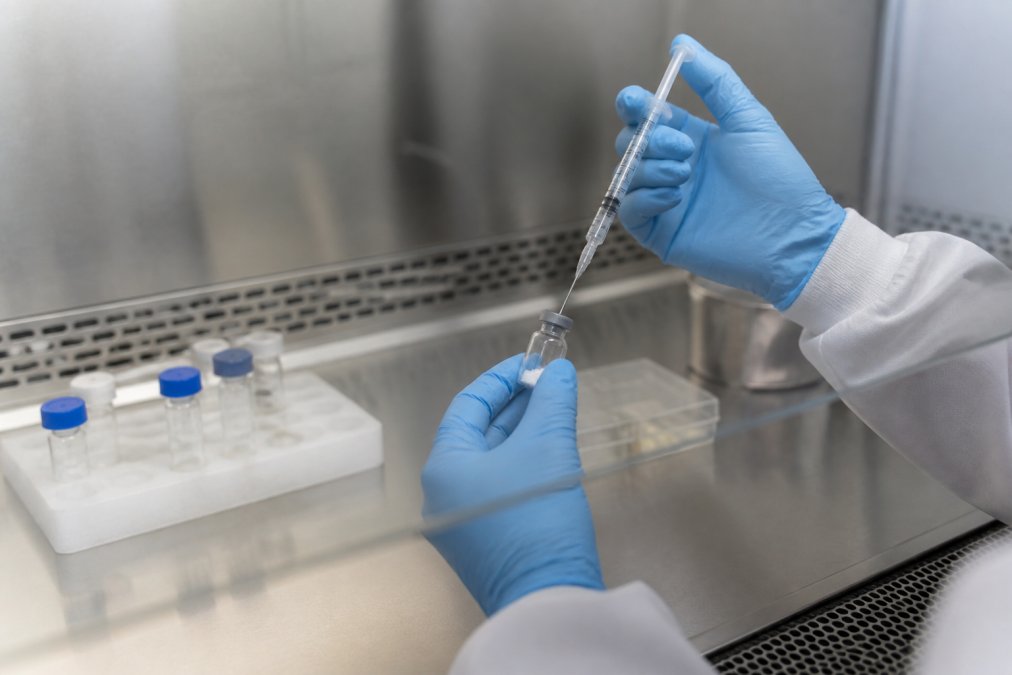
Documentation during reconstitution prevents mix-ups. Record the reconstitution date, solvent used, concentration prepared, and storage conditions. This proves that degradation you observe was due to time and storage, not initial purity problems.
Reconstitute only the amount you need for immediate use, then store the lyophilized powder separately. This extends the usable life of your peptide and reduces waste.
According to peptide storage and handling guidelines, proper reconstitution protocols can extend peptide stability. This means your high purity peptides remain research-grade throughout your study rather than degrading mid-experiment.
High purity peptides typically exceed 90% purity, verified through analytical testing methods like HPLC and mass spectrometry. Purity refers to the percentage of the target peptide versus contaminants, degradation products, and residual synthesis materials. Research-grade high purity peptides ensure consistent results in your studies by minimizing variables from impurities that could affect biologically active outcomes or skew data in in vitro and in vivo applications.
Third-party lab testing provides independent verification of purity claims. Suppliers may conduct internal testing, but independent labs like Janoshik or Kovera Labs offer unbiased analysis. This testing confirms amino acid sequence accuracy, molecular weight, and absence of contaminants. For researchers, third-party verification eliminates doubt about quality control and ensures batch-to-batch consistency, protecting the integrity of your research outcomes and publication credibility.
A legitimate COA includes specific batch numbers, test dates, analytical methods used (HPLC, mass spectrometry), purity percentages, and the testing laboratory's name and credentials. Verify the lab's accreditation and cross-reference the batch number with your order. Some suppliers now provide QR codes on COAs that link directly to the lab report. Request batch-specific COAs rather than generic certificates, this ensures the document matches your exact purchase and reflects actual testing results.
High purity peptides sold as research compounds are intended for laboratory and scientific research only. However, the quality standards, HPLC purification, mass spectrometry analysis, and COA documentation, apply equally regardless of your research focus. If you're exploring peptide use for personal fitness or injury recovery, sourcing from suppliers with rigorous quality control and independent verification ensures you receive consistent, uncontaminated products. Always verify local regulations before purchasing.
High purity peptides for sale from Canada BioGenix give your research a foundation built on transparency and consistency. Every batch reflects our commitment to carefully selected manufacturing partners and strict quality standards. Get started with Canada BioGenix and access research compounds you can trust, with free shipping on orders over $250 and documentation that proves exactly what you’re receiving.
This article was written using GrandRanker