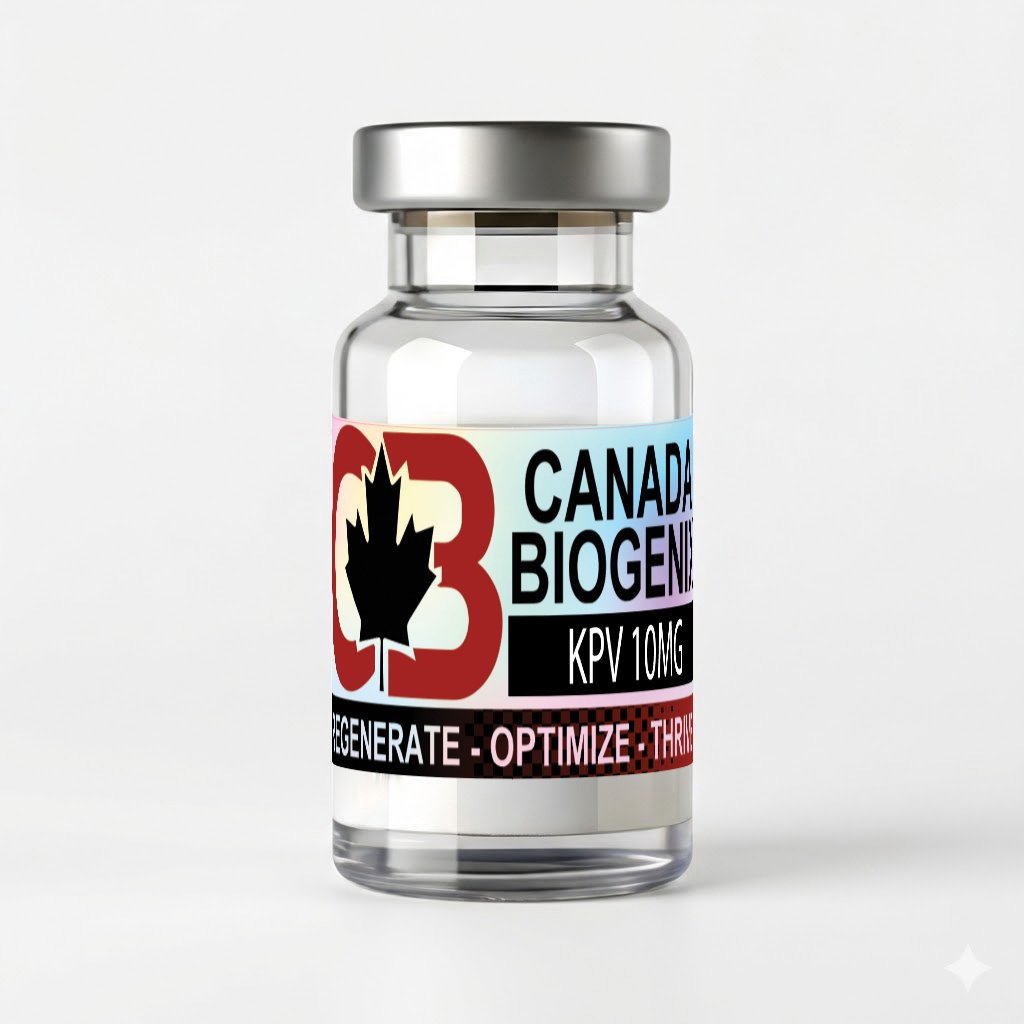
KPV 10 mg is an α-MSH-derived tripeptide attracting research
interest for its potential influence on NF-κB signalling,
intestinal inflammation, immune response and epithelial
tissue pathways.
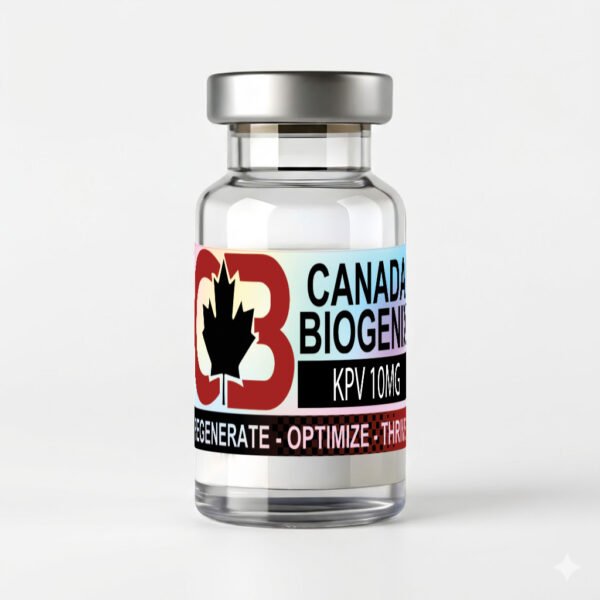
KPV is a short peptide made from three amino acids: lysine,
proline and valine. Its name comes from the single-letter code
for these three amino acids.
KPV corresponds to the final three amino acids of
alpha-melanocyte-stimulating hormone, commonly called
α-MSH. Although α-MSH has several biological
functions, its KPV fragment retains notable activity in
inflammation-related research.
KPV is being investigated for its ability to influence
inflammatory signals inside cells. In particular, research has
examined its effects on NF-κB and MAP kinase pathways.
These pathways help control the production of inflammatory
cytokines. Therefore, changes in their activity may influence
how cells and tissues respond to inflammatory stress.
Laboratory research suggests KPV may reduce activation
of a major inflammatory signalling pathway.
Intestinal cells may absorb KPV through the PepT1
peptide-transport system.
Researchers are studying whether KPV can reduce the
release of selected pro-inflammatory cytokines.
Early research has produced encouraging findings in intestinal,
cellular and inflammation-related models.
Based on its structure and early findings, KPV is being explored
across several closely connected research areas.
KPV has shown encouraging effects in experimental models
of colitis and intestinal inflammatory signalling.
Because PepT1 can transport KPV into intestinal cells,
researchers are studying its effects within epithelial
tissue.
α-MSH-related peptides are also being examined in
inflammatory skin, tissue-response and wound models.
KPV may provide a useful tool for studying how cells
regulate cytokine production during inflammatory stress.
KPV contains only the final three amino acids of α-MSH.
Nevertheless, preclinical research suggests that it retains
notable activity in inflammation-related pathways.
Some KPV findings appear to be at least partly independent of
the classical MC1R pathway. As a result, researchers continue
to investigate additional cellular mechanisms.
For further context, browse the Canada Biogenix
Immune & Inflammation Research collection
.
Researchers interested in gastrointestinal and tissue pathways
can also explore
BPC-157 10 mg
.
In addition, KPV is one of the four research components in the
KLOW 80 mg research blend
,
alongside GHK-Cu, BPC-157 and TB-500.
However, combination research remains preliminary. Controlled
human studies have not established specific research-compound
combinations.
KPV has produced promising results in laboratory and animal
models. However, its published research remains primarily
preclinical.
Therefore, continued research is needed to determine whether
these findings translate to human biology. Human effectiveness,
long-term safety and validated research protocols have not been
established.
KPV represents a promising direction in inflammatory,
intestinal and epithelial research. Early studies suggest
potential effects on NF-κB activation, cytokine production and
intestinal inflammatory pathways.
Furthermore, its compact three-amino-acid structure and
α-MSH-derived biology make it different from many conventional
research peptides. As a result, KPV remains a compelling
compound for continued scientific investigation.
Research Use Only
This product is intended exclusively for laboratory research.
Not for human consumption, therapeutic use or veterinary use.
The information presented is educational and does not constitute
medical advice.