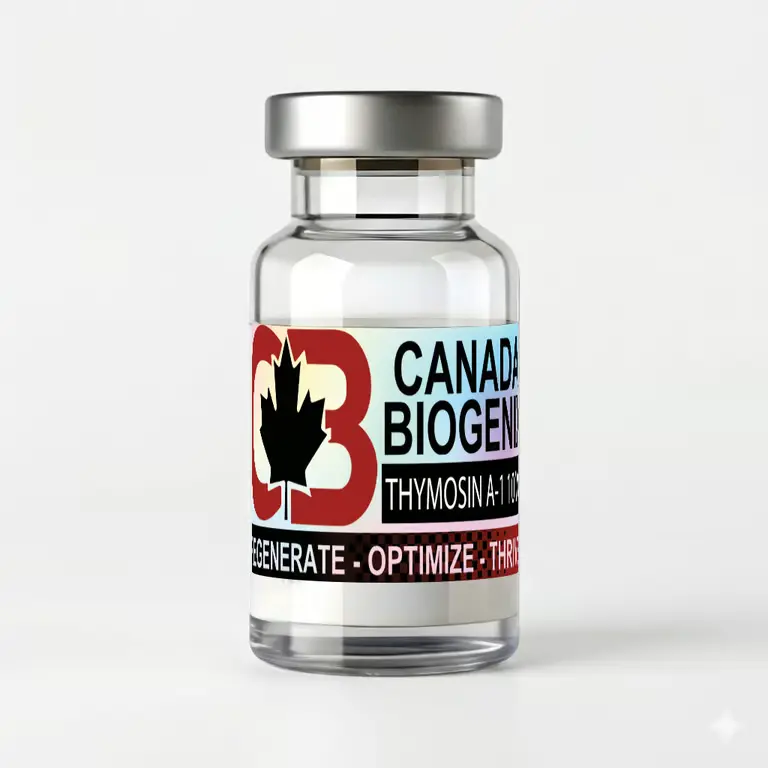
Thymosin alpha-1 is a 28-amino acid peptide hormone that acts as a potent immune system modulator, enhancing both innate and adaptive immunity to help fight infections, cancers, and chronic diseases. It stimulates T-cell production, reduces inflammation, and improves response to vaccines. Common benefits include increased energy, improved recovery from chronic fatigue, and enhanced defense against viral infections like COVID-19 and hepatitis.
Thymosin Alpha-1 10 mg is a 28-amino-acid thymic peptide attracting research interest for its ability to coordinate innate and adaptive immune signalling. Published findings highlight its potential influence on dendritic cells, T-cell maturation, natural killer cells, cytokine balance and immune resilience.
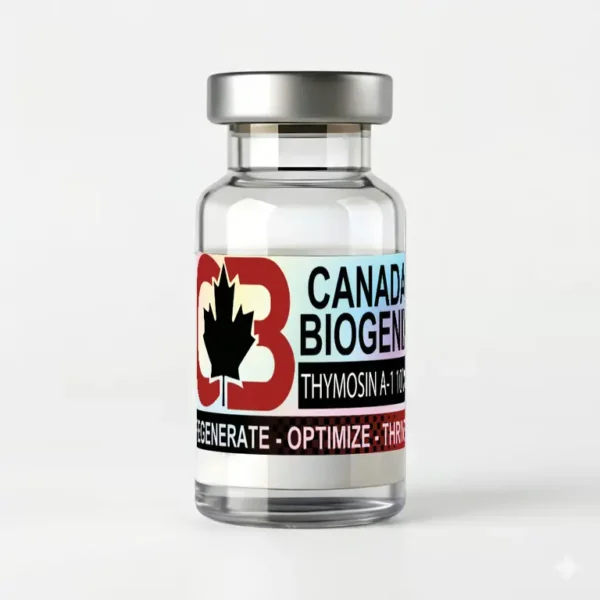
Thymosin Alpha-1, often abbreviated Tα1 or TA1, is a naturally occurring peptide fragment produced from prothymosin alpha. It was first identified within thymosin fraction 5 and later synthesized as thymalfasin. Its 28-amino-acid sequence includes an acetylated N-terminus that is important to the molecule’s structure and biological activity.
The peptide is best described as an immune modulator. Instead of simply increasing immune activity in every direction, research suggests it can help coordinate pathogen recognition, antigen presentation, T-cell development and inflammatory signalling. This balancing profile is why Thymosin Alpha-1 10 mg is studied across viral, immunosenescence, vaccine, oncology and critical-illness models.
Research links Tα1 with the maturation, differentiation and function of CD4+ helper and CD8+ cytotoxic T cells—central components of adaptive immune surveillance.
Studies suggest effects on dendritic-cell maturation and pattern-recognition pathways, including signalling associated with toll-like receptors such as TLR2 and TLR9.
Tα1 has been investigated for supporting antiviral and Th1-type responses while helping regulate excessive inflammatory cytokine production.
Human studies extend across several decades and medical settings. The findings are encouraging in selected populations, but the strength and consistency of evidence vary by research area.
| Research Area | Positive Finding | Evidence Context |
|---|---|---|
| Chronic viral hepatitis | Older randomized studies and meta-analyses reported improved viral and immune-response measures, particularly in chronic hepatitis B. | One of the most established clinical research areas, although modern direct antiviral therapies have changed the treatment landscape. |
| Vaccine response and aging | A controlled study in older adults found an augmented antibody response to influenza vaccination, supporting continued immunosenescence research. | Promising but supported by a smaller and older clinical evidence base than the viral-hepatitis literature. |
| Viral and respiratory illness | Reviews describe improved lymphocyte recovery and more coordinated antiviral immune signalling in selected clinical models. | COVID-19 meta-analysis produced an encouraging mortality signal, but substantial study heterogeneity means better randomized trials remain important. |
| Oncology adjunct research | Studies have explored improvements in immune-cell activity, treatment tolerance and outcomes when thymic peptides accompany conventional therapy. | An adjunctive immunology research area—not evidence that Tα1 is a stand-alone cancer treatment. |
| Sepsis and immune paralysis | Earlier systematic reviews reported potentially favourable survival and immune-recovery signals in critically ill populations. | Results remain mixed across studies, making this an active rather than settled clinical question. |
Innate immunity provides rapid pattern recognition through cells such as macrophages, dendritic cells and natural killer cells. Adaptive immunity supplies targeted, longer-term responses through T and B lymphocytes.
Thymosin Alpha-1 is notable because research places it near the interface of these two systems: it may improve antigen presentation and innate-cell coordination while supporting the development and activity of adaptive T-cell responses.
Effective immune function requires enough activity to recognize a challenge without allowing inflammatory signalling to become excessive or prolonged. This balance involves Th1 cells, regulatory T cells, interferons and multiple cytokine networks.
Experimental findings suggest Tα1 can enhance immune vigilance under suppressed conditions while also encouraging regulatory responses. The outcome is model-dependent, which is why “immune modulation” is more accurate than describing the molecule as a universal immune booster.
These compounds are grouped together because of immune or inflammation research, but they act through very different biological pathways.
| Research Compound | Primary Research Focus | Research Distinction |
|---|---|---|
| Thymosin Alpha-1 10 mg | Dendritic cells, T cells, NK cells and cytokine balance | Broad immune coordination with decades of translational and human clinical research. |
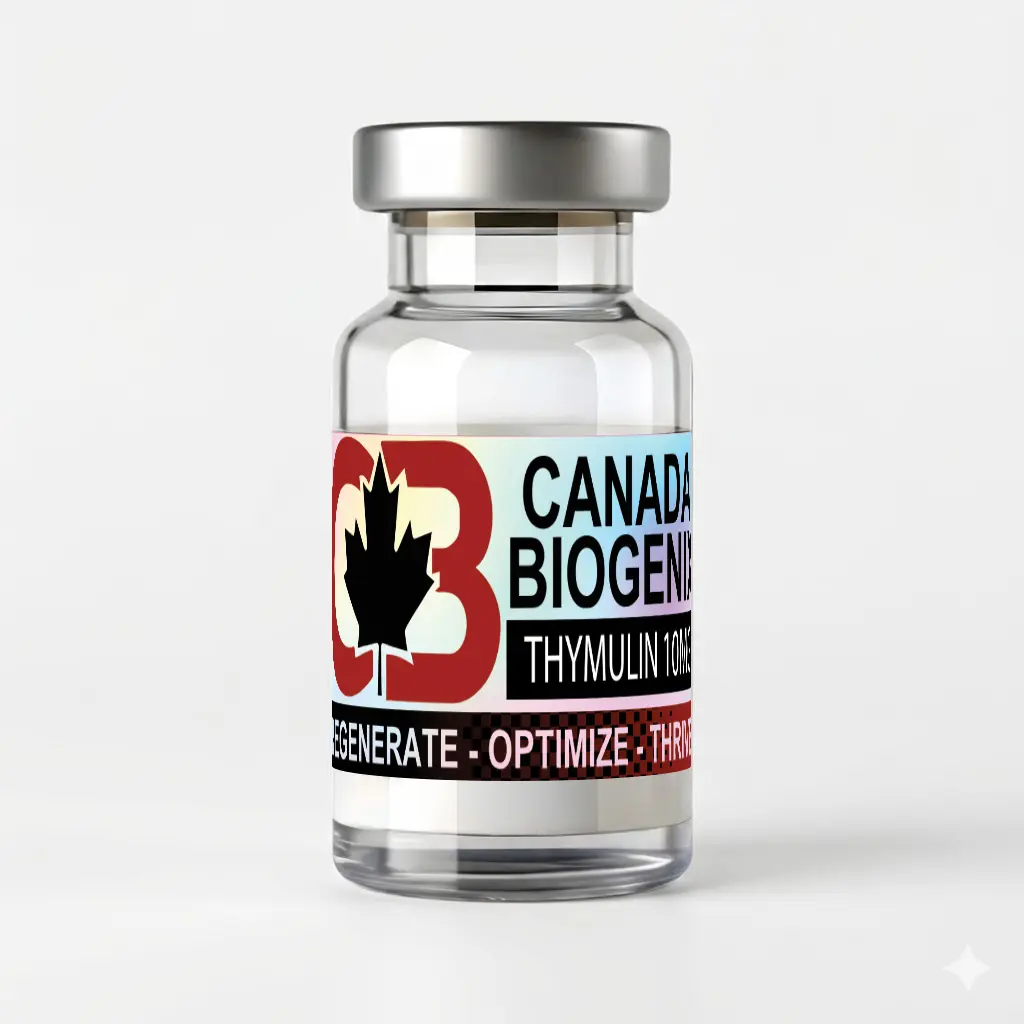
| Thymulin 10 mg | Thymic signalling and T-cell development | A zinc-dependent thymic nonapeptide with a distinct mechanism and a more experimental evidence base. |
| LL-37 5 mg | Antimicrobial and host-defence pathways | A cathelicidin-derived peptide with direct antimicrobial activity and complex inflammatory effects. |
| KPV 10 mg | Inflammatory and epithelial signalling | A three-amino-acid α-MSH fragment studied primarily for inflammation, barrier tissue and microbial interactions. |
Because Tα1 primarily influences immune coordination, researchers may compare it with compounds focused on complementary biological systems. Thymulin provides another model of thymic signalling, while KPV emphasizes inflammatory and epithelial pathways. BPC-157 and Epitalon are sometimes discussed in broader recovery or aging research.
These combinations are mechanistic research concepts rather than validated stacks. Different immune models can respond differently, and combining compounds does not automatically create synergy or superior outcomes.
The 10 mg label describes the total quantity of research material in the vial. It is not a suggested dose, schedule, protocol or frequency.
Pharmaceutical thymalfasin products used internationally have their own regulated formulations, indications and administration instructions. Canada Biogenix Thymosin Alpha-1 10 mg is a separate research product and should not be assumed interchangeable with a prescription medicine.
Thymosin Alpha-1 10 mg is presented as research material for qualified laboratory investigation. This educational overview summarizes published findings and does not provide medical advice, diagnosis, treatment instructions, dosing guidance or a guarantee of outcomes.